
From Sketch to Canvas: The Life of a Zeydrt Painting
From Sketch to Canvas: The Life of a Zeydrt Painting
Every painting in the Zeydrt collection started as nothing — a blank canvas, a loaded brush, and a decision about where to begin. Between that moment and the finished piece hanging on your wall is a series of choices that are invisible once the work is done, but that determine everything about how it looks and feels. Here's what that journey looks like.
| 01. The Idea
For figurative work — Lin Siyu's botanicals, Chen Yuzhe's Americana scenes, Ryan Scott's equestrian pieces — the starting point is a subject and a feeling. Not a photograph to copy, but a sense of what the finished piece should convey: abundance, stillness, motion, drama. The composition — where things sit, how much of the frame they fill, where the eye enters and exits — is worked out before paint is mixed.
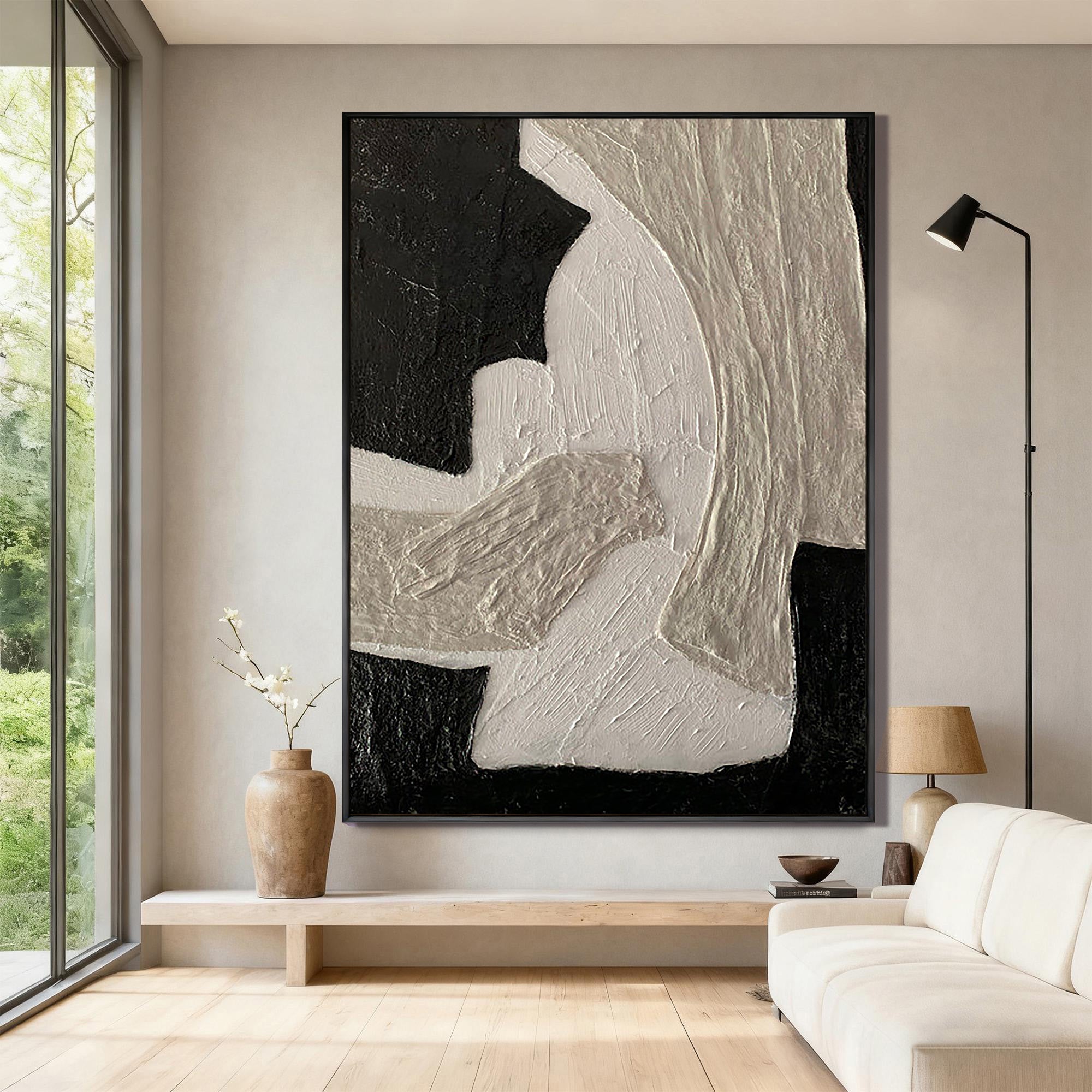
For Ning Yuan's textured abstracts, the process is more immediate. The "idea" is a surface quality and a palette. The composition emerges through the act of painting itself.
| 02. The Color Decision
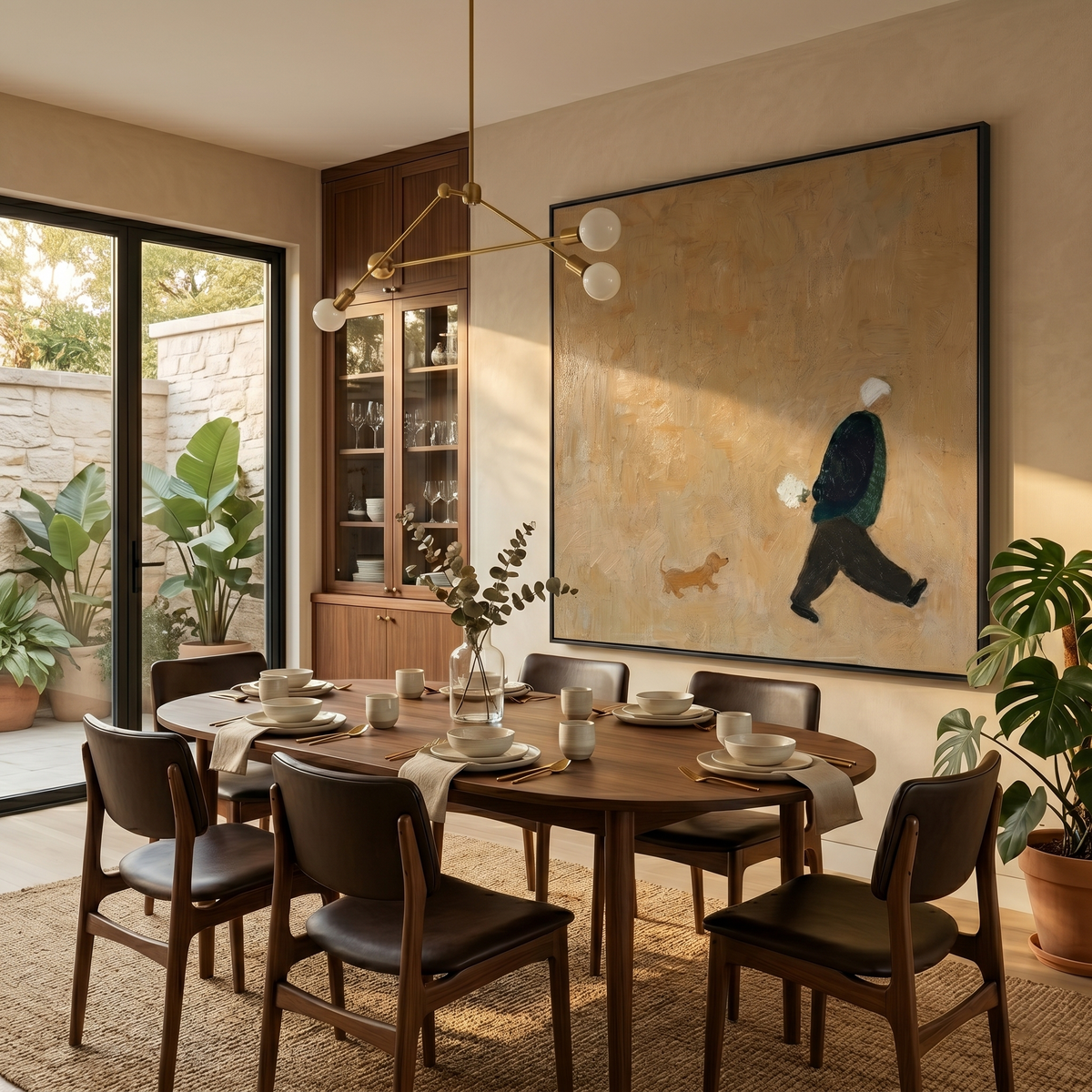
Color is chosen before the session starts. For a Lin Siyu floral, this means laying out the range of petal tones and the background values that will make them read correctly. For a Chen Yuzhe Americana piece, it means deciding which colors will define the silhouette and which will function as contrast. These decisions are made in relation to each other, not in isolation — a color that works alone may not work next to the color it needs to sit beside.
| 03. The Session
Most Zeydrt paintings are completed across multiple sessions, each one building on the last. The first session establishes the structure. The second or third refines it, deepens the color, and adds the details and texture that complete the piece. Between sessions, the paint is left to partially cure — this is not a flaw in the process but a feature of it. Wet-on-dry painting allows for precision that wet-on-wet does not.
| 04. The Point of No Return
Every painting has a moment — usually somewhere in the middle of the final session — when it becomes itself. Before that moment it's a work in progress; after it, any further change is more likely to subtract than add. Knowing when to stop is one of the things that separates experienced painters from beginners. The Zeydrt artists know when to put the brush down.
| 05. From Studio to Wall
After the final session, the painting cures. Once fully cured, it's inspected, photographed, and prepared for shipping — wrapped to protect the surface and the frame. By the time it reaches your wall, it has been handled by exactly one artist and one pair of shipping hands. The mark of the painter is intact.
| Frequently Asked Questions
Is each Zeydrt painting truly unique?
Yes. Even when two paintings share the same subject and palette, the decisions made in each session are different — the exact placement of a stroke, the pressure of a knife, the blend at the edge of a petal. No two canvases are identical.
How many sessions does a painting take?
Most Zeydrt paintings are completed across two to four sessions, with drying time between each. More complex pieces with many layers may take longer.
Read more about the materials and techniques in Inside a Hand-Painted Oil Studio, or meet the artists behind the work.


Leave a comment
This site is protected by hCaptcha and the hCaptcha Privacy Policy and Terms of Service apply.