
Palette Knife vs. Brush Oil Paintings: What's the Difference?
Palette Knife vs. Brush Oil Paintings: What's the Difference?
Two oil paintings can use the same colors and the same subject and still feel worlds apart — and the reason usually comes down to the tool that applied the paint. Understanding the difference between palette-knife and brush work makes you a sharper buyer and helps you choose a piece that fits the feeling you want in a room.
| 01. What Each Tool Actually Does
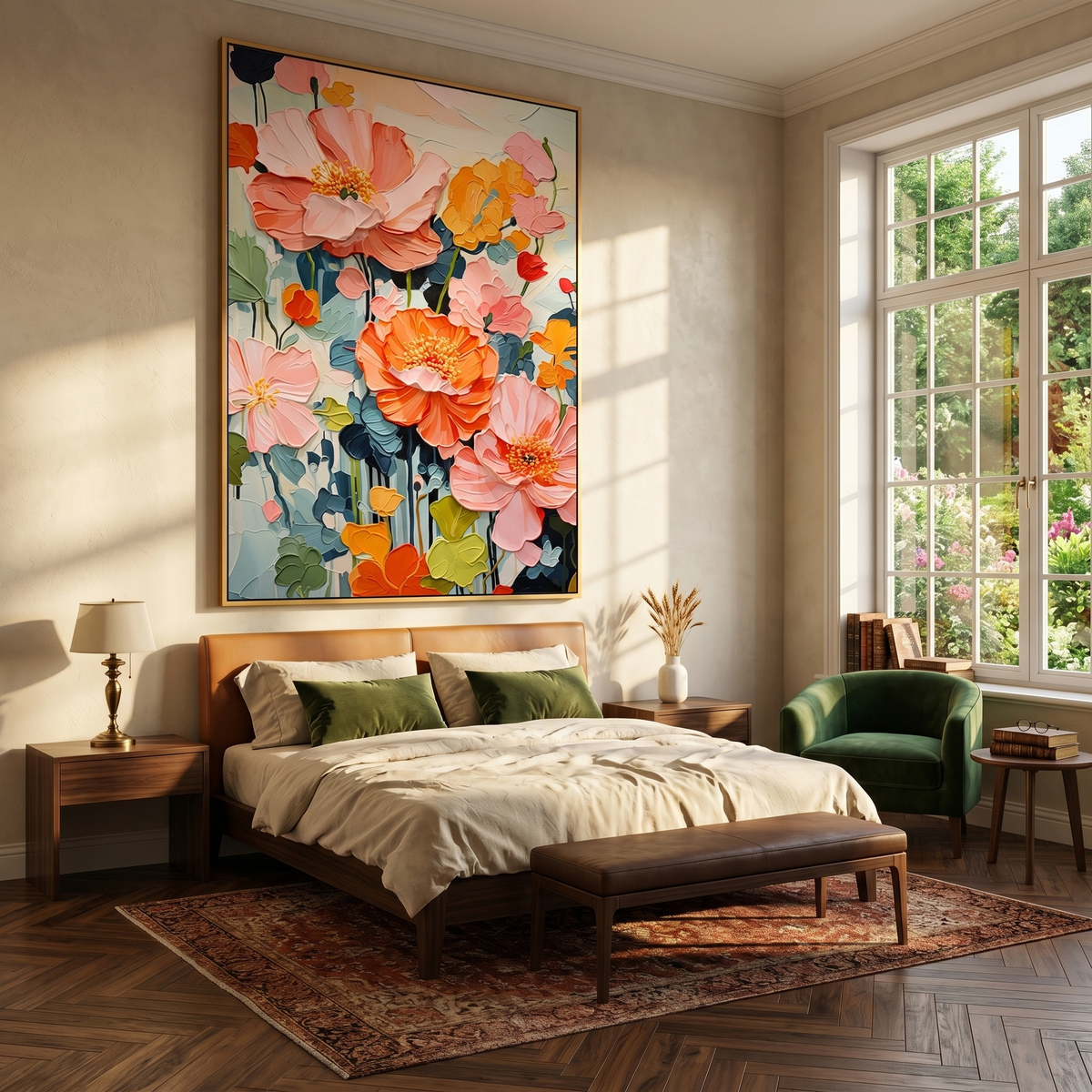
A brush carries paint in soft, controlled strokes. It's the tool of blending, fine detail, and smooth gradients — gentle transitions of color and light.

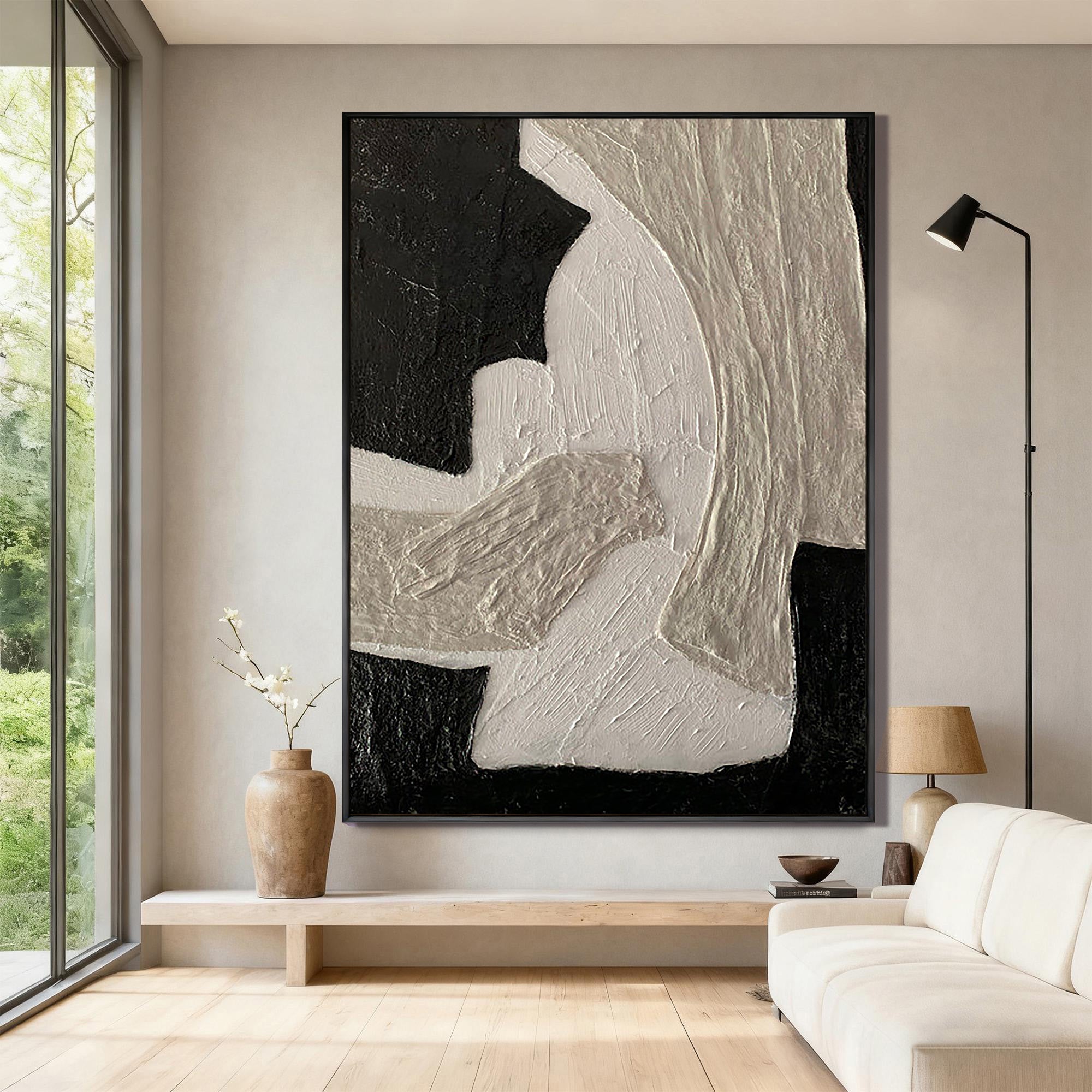
A palette knife is a flat, flexible blade that pushes and drags thick paint across the canvas, leaving ridges, peaks, and edges. Instead of blending color, it lays it down in slabs.

| 02. The Visual and Physical Difference
The clearest difference is texture. Palette-knife paintings are three-dimensional: paint stands up off the surface in what artists call impasto, catching light and casting tiny shadows that shift as you move past. Brushwork tends to sit flatter and reads as more refined and detailed. One has the energy of bold, decisive gesture; the other has the quiet precision of patient layering.
| 03. How Light Changes Everything
This is the part photos never quite capture. Because palette-knife ridges have real height, a textured piece looks different in morning light than at dusk, and different again under a directional lamp — the painting effectively changes through the day. Brush paintings are more constant: what you see is what you get, in any light.
| 04. Which Suits Your Space?
- Choose palette-knife / impasto when you want presence and tactility — a focal point that adds warmth and craft to modern, minimalist, or wabi-sabi interiors.
- Choose brushwork when you want detail, softness, or a more traditional, representational feel — florals, portraits, and atmospheric scenes.
Many of the finest pieces use both: a brushed base with palette-knife highlights that lift key areas off the canvas.
| Frequently Asked Questions
Is palette-knife painting better than brushwork?
Neither is better — they create different effects. Palette-knife work offers bold texture and depth, while brushwork offers detail and smooth blending. The right choice depends on the mood you want.
How can I tell if a painting was made with a palette knife?
Look at the surface from an angle. Palette-knife work has raised ridges and clean, sharp edges of thick paint that cast small shadows, rather than the soft, blended strokes of a brush.
Is impasto texture durable?
Thick impasto is robust once fully cured, but it should be handled and dusted gently. Avoid pressing on the raised areas.
Want to see texture up close? Explore our texture & relief collection, or read why hand-painted originals are worth it. New to buying art? Start with how to choose the right oil painting.



Leave a comment
This site is protected by hCaptcha and the hCaptcha Privacy Policy and Terms of Service apply.